
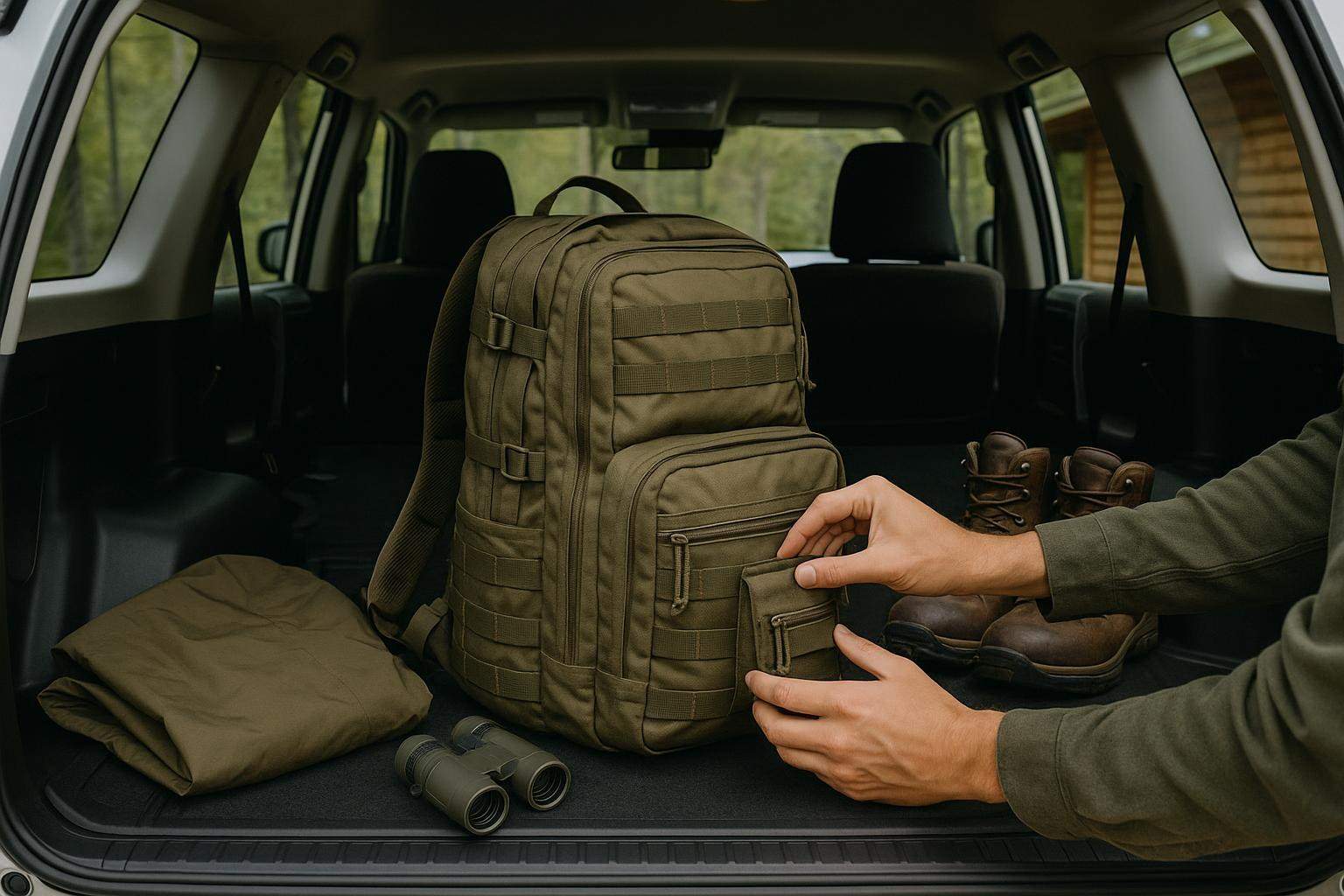
The overlooked preparation detail is not a missing gadget; it is failing to confirm what the guide, outfitter or local authority expects you to bring. That gap creates duplicate gear, unnecessary weight and avoidable trouble in camp or the field. Good preparation means understanding the plan, checking current rules, testing essential equipment and allowing for changing conditions. A deliberate process can make a guided trip safer, more comfortable and more respectful of the land without turning your luggage into a portable store.
Start with the trip brief, not the shopping list
Ask for the practical outline before buying or packing anything. Confirm the terrain, walking demands, accommodation, food arrangements, transport between camp and field, communications coverage and whether equipment can be borrowed or rented. The guide should also explain the likely pace and what happens after an animal is legally taken, including field care and transport.
Get answers in writing where possible. Ask which items are mandatory, recommended or already supplied. That distinction prevents the common mistake of carrying a spare version of everything "just in case."
Mention your medical needs, dietary restrictions, mobility concerns, previous injuries and any uncertainty about handling your firearm or other lawful equipment. Clear communication lets the planning team identify problems before departure.
Build a packing system around decisions
Pack by function rather than object. Weather protection, foot care, navigation, personal safety, field hygiene, optics and documentation each deserve a small group. If two items serve the same purpose, choose the lighter or more reliable option unless failure would create a meaningful safety problem.
Use this compact check before closing your bag:
– Documents: identification, required permits or licenses, emergency contacts and securely stored copies.
– Clothing: layers suited to the forecast, spare socks, rain protection and quiet, durable outerwear where appropriate.
– Foot care: broken-in footwear, blister treatment and a way to dry or protect wet socks.
– Field essentials: water capacity, personal medication, basic first-aid supplies, a headlamp and a small power bank if useful.
– Hunting gear: only the lawful equipment agreed with the guide, plus compatible ammunition or consumables where applicable.
– Recovery and care: gloves, game bags or other handling items only if the guide confirms they are needed.
This list is a prompt, not a substitute for local instructions. Remove anything the guide supplies. One reliable shell and a dry layer in a waterproof bag may be more useful than a second heavy jacket.
Test the items that can fail
Do not discover a poor fit on the first steep walk. Wear boots with the socks you intend to use. Adjust the pack, check that straps do not interfere with safe equipment handling and confirm that rain covers, batteries and fasteners work. Charge devices, then decide what remains useful without a signal or outlet.
Inspect optics and protective clothing for scratches, leaks and damaged closures. If carrying a firearm or other regulated hunting equipment, follow applicable safe-storage, transport and handling requirements and use only equipment you are trained and authorized to use. Do not make last-minute modifications based on internet advice; ask a qualified guide or instructor about uncertainty.
Pack critical items where they can be reached without emptying the bag. Keep medication, identification, a light and weather protection accessible. Label shared bags and chargers when several people have similar equipment.
Confirm regulations close to departure
A permit or license arranged months ago does not prove that every detail remains current. Seasons, species rules, tag conditions, transport requirements, weapon restrictions, reporting procedures and land-access conditions can change. Requirements may also differ between jurisdictions, private land and public land.
Check current official guidance for the area and ask the guide to confirm how it applies to your trip. Pay attention to boundaries, legal shooting hours, identification requirements, carcass handling, meat transport and restrictions related to disease control or fire conditions. Keep relevant documents available offline as well as on your phone.
Do not rely on an old screenshot, a forum comment or another hunter's previous permit. If sources conflict, resolve the issue before entering the field. Seek clarification from the responsible authority and follow the stricter lawful interpretation until the question is settled.
Decide your ethical limits before the field
Fatigue, poor visibility and excitement can narrow judgment, so set your boundaries while calm. Decide which opportunities you will decline because of distance, angle, uncertain identification, wind, background, animal movement or the likelihood of a difficult recovery. Your guide can advise on local conditions, but your decision should remain consistent with lawful and humane conduct.
Discuss expectations about species, sex, size or other legal criteria before leaving camp. Ask how wounded animals are tracked, who takes responsibility for follow-up and what communication is used if the group becomes separated. A clean opportunity is not simply the first legal one; it must also allow reasonable confidence and control.
Ethical hunting includes accepting an empty day. Do not pressure a guide to stretch a rule, approach unsafe ground or continue when weather and visibility make recovery doubtful. An early refusal is usually easier than correcting a poor decision later.
Leave the place better than you found it
Conservation is practical field behavior. Carry out packaging, tape, batteries and personal waste. Control food and scented items where the guide requires it, avoid unnecessary disturbance around water and campsites, and stay on permitted routes or access areas.
Ask how the trip supports local land management, lawful harvest reporting or habitat care, but do not assume every program works the same way. Follow instructions for evidence, tagging, reporting and carcass use. Take only photographs and samples allowed by local rules, and avoid sharing precise locations publicly when that could pressure sensitive wildlife or land.
Before departure, weigh the bag once and remove the least useful items. Keep what protects health, legality, judgment and humane action. That is the real measure of a successful hunting packing list: not how much it contains, but how well it supports responsible decisions when plans, weather or regulations change.